

VEFA – Building your own home and off-plan purchases
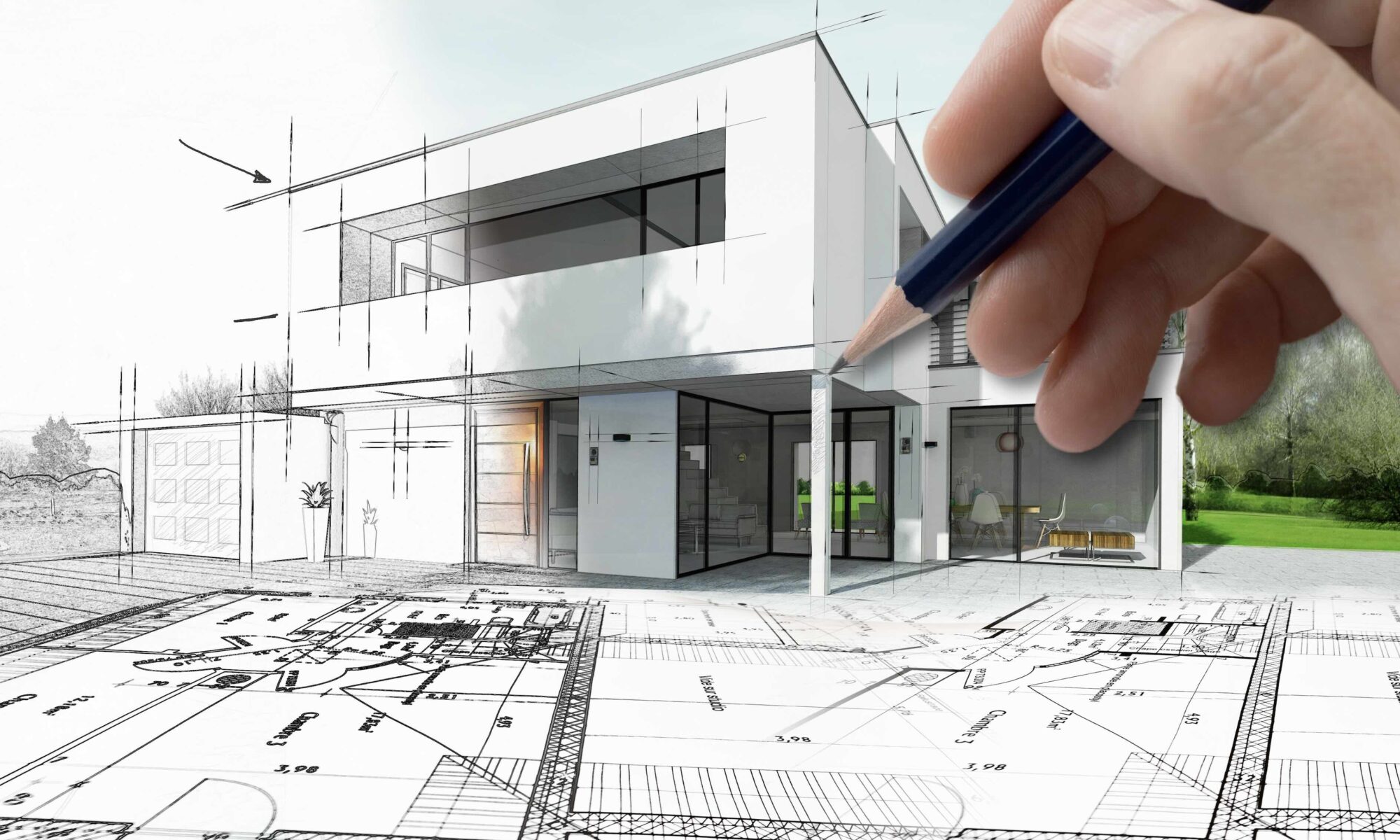
For those who dream big, off-plan homes can have real appeal. It is an opportunity to shape a home to your exact specifications – the right light, the design and materials. However, as cases like the 2023 collapse of real estate developer Cenaro demonstrate, projects can go awry, and investors can be left with half-built projects and facing significant losses. What protection is in place?
The advantages of buying a home off-plan or semi-built are clear. Rather than working within a home’s existing parameters, you can design them yourself to a certain extent. You may be able to decide the view you want from your living room, the size of your kitchen, the décor, or the bedroom layout. You do not have to live with other people’s taste, but can bring your own personal touches to the home’s design.
It may also enable you to benefit from the most up-to-date building methods, including modern and durable building materials and contemporary design standards. You can create a more environment-friendly home with modern heating and lighting. In many cases, it may be cheaper and more straightforward than adapting an existing house to suit your needs.
It also offers greater flexibility on where you live. This makes it a particularly popular option for ski resorts, for example, where older chalets are liable to be expensive to buy and rarely come to market. It is also an increasingly popular option in parts of Luxembourg, where the housing market is increasingly crowded and demand has long outstripped supply.
Vente en l’État Futur d’Achèvement – VEFA – is a contract, usually drawn up by a notary, and is used for all sales where a property is still under development.
Dedicated legal framework
A dedicated legal framework exists in France and Luxembourg for buying property that has not yet been built, or is under construction, offering built-in legal protection, a tiered pricing structure, and setting clear targets that contractors must meet. Vente en l’État Futur d’Achèvement – VEFA – is a contract, usually drawn up by a notary, and is used for all sales where a property is still under development. Investors looking to buy an off-plan or new-build home should familiarise themselves with the way the system works.
The VEFA system is highly regulated and is a way for property buyers to purchase property backed by the comfort of a tried and tested legal framework. Using the system, buyers will make phased payments at each stage of the construction process, with clear parameters set out for each tier.
Investors may pay when the foundations are put in, when the roof is on and then another part when the internal walls are completed and when the windows are installed. The buyer gains ownership over time, rather than all at once, which gives greater protection. There are also guarantees and cooling-off periods.
For example, the VEFA scheme incorporates a 10-year structural warranty on completion of the property, which insures against structural defects. It also requires buildings to comply with modern environmental and energy efficiency standards – including passive house or nearly zero-energy building certification, which should ensure lower running costs over the long term. Perhaps most importantly, it also offers a completion guarantee. Financing banks must offer this guarantee by law as part of a VEFA contract and it is designed to ensure completion of construction should the developer become insolvent.
Why new-build homes carry additional risks
New-build homes can be risky for a number of reasons. If a property has stood for 100 years, that represents evidence that it has been well built, with durable materials. Obviously, newly-constructed homes cannot offer that reassurance. The industry has sometimes been plagued by unscrupulous builders that use poor-quality materials, so careful supervision is necessary. Unexpected costs or delays may arise. It doesn’t help that often you are buying a home simply based on an architect’s drawing.
There can also be complexities with financing. Mortgage lenders might be reluctant to provide funding in the light of the potential pitfalls – but on the other hand, paying in cash can bring its own problems. VEFA contracts attempt to address many of these issues and to reduce the risk for homeowners.
The contract ensures they will only have paid for work that has already been carried out, and in theory another builder can pick up where the previous one left off.
Perhaps the biggest problem is rogue developers. In theory, the VEFA contract should protect investors from developers that fall into bankruptcy. The contract ensures they will only have paid for work that has already been carried out, and in theory another builder can pick up where the previous one left off. However, replacement builders ready to take on a half-built development may be difficult to find, particularly for large blocks of flats, and buyers might have to wait extra months or even years for their home to be completed.
Many of these issues were highlighted by the collapse of the Cenaro Group, which funded construction work from the sale of lightly-regulated bonds and whose principals were subsequently accused of fraud in both Luxembourg and France. Buyers of new-build flats had to wait for the company’s bankruptcy to be officialised before the completion guarantee would apply. New contractors are not necessarily obliged to stick to the timeframe set out in the original contract. For the owners in this case, delays ultimately ran into years.
Protecting yourself
There are methods for VEFA home purchasers to protect themselves. It is important to investigate as far as possible the financial viability of the developer – look at its track record, previous projects and meet key personnel and, ideally, other homeowners who have dealt with the company. It is also important that you feel comfortable and confident signing with the notary you end up choosing, who doesn’t necessarily need to be the one proposed by the developer.
You should also examine the VEFA contract in detail. It should contain a full description and plans of the proposed dwelling and its precise location, plus technical details of the materials and equipment used in its construction, and set out the time scale for the project’s completion as well as any compensation that may be due in the event of delay – although legal requirements in areas such as redress may not help homeowners if a developer becomes insolvent.
The terms of contracts can vary considerably, and you should determine whether it gives the developer any discretion over building materials or equipment used. It is not unusual for agreements to include ‘or equivalent’ in contract terms. You will need to decide whether you are happy with this, or you want to have discretion over any alternatives used.
Ultimately, the VEFA contract is valuable when buying off-plan. It sets our clear parameters between the developer and the buyer and offers real protection – but it is not a panacea, and buyers should tread carefully.
It is important to investigate the financial viability of the developer, its track record and previous projects and meet key personnel, as well as examining the VEFA contract in detail.
 Mortgage
 Personal loan
 Savings